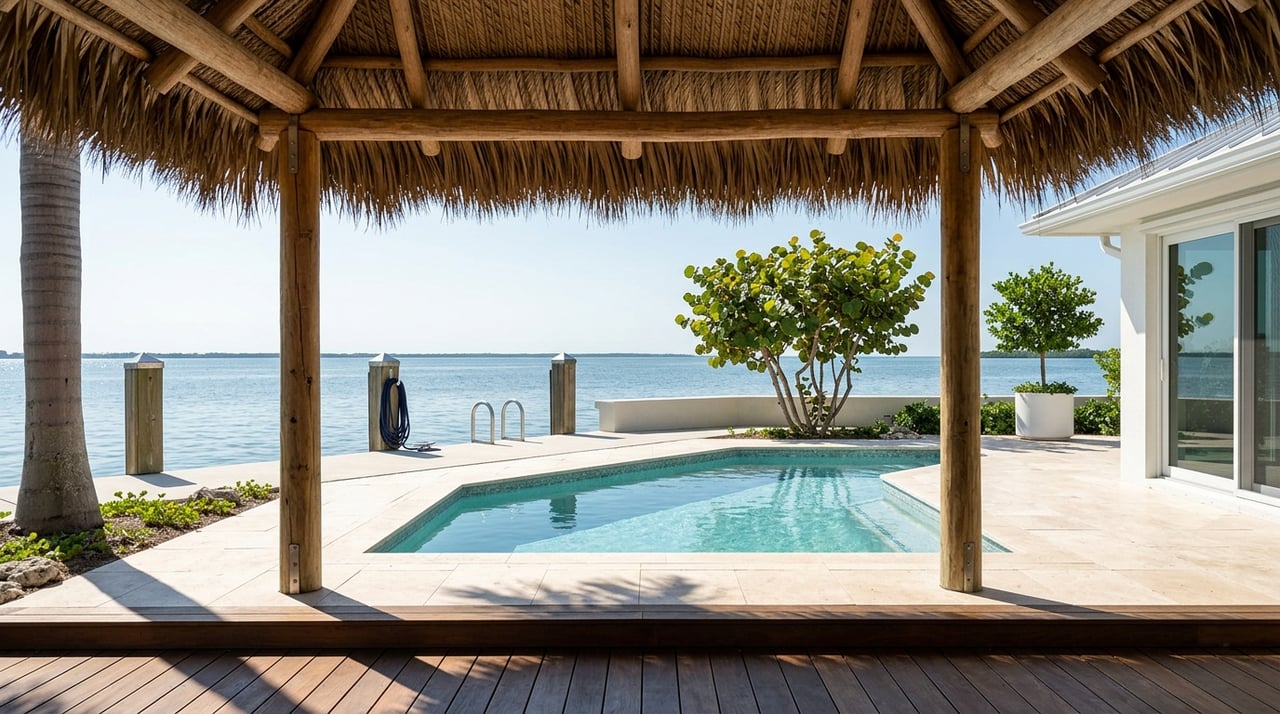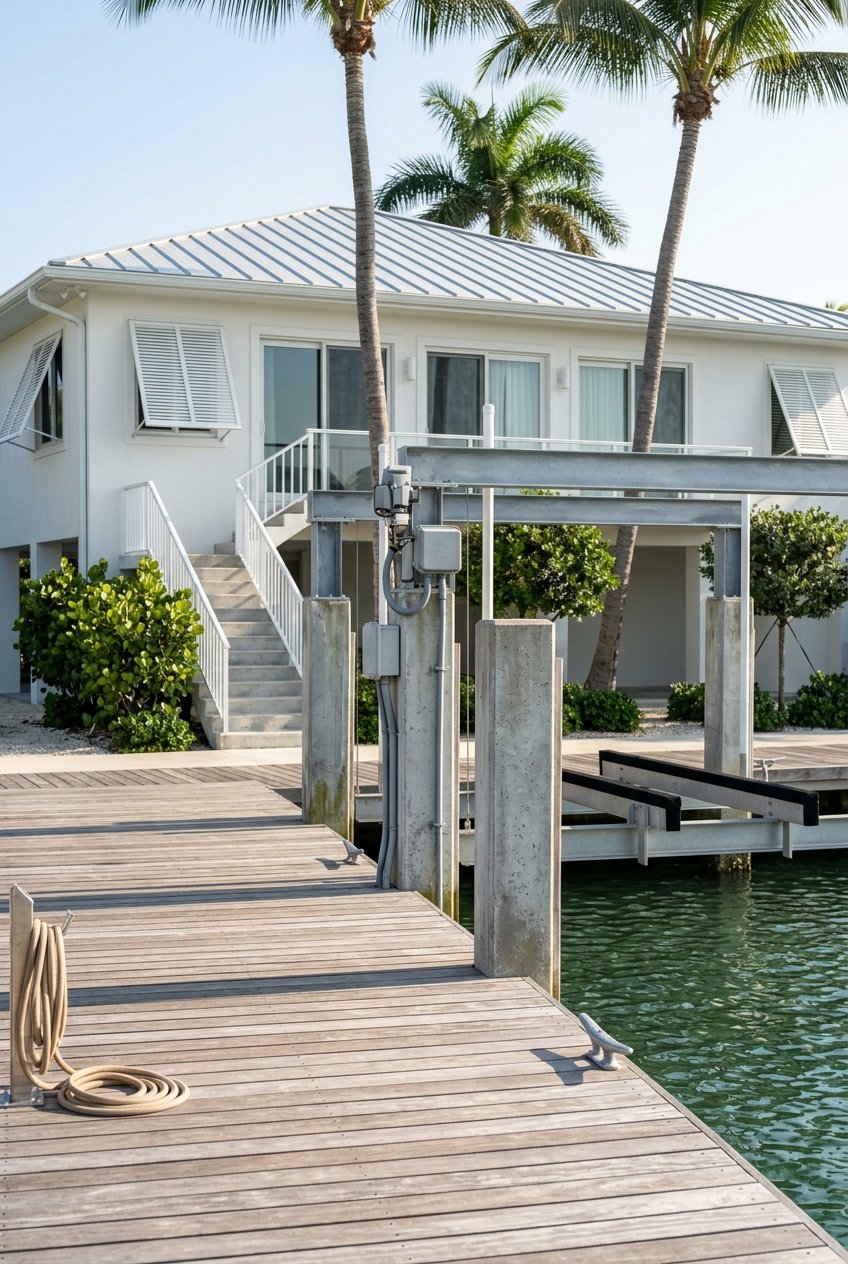
Dreaming about a vacation home where boating, sunshine, and easy Florida Keys access are part of daily life? Buying on Duck Key can be exciting, but it also comes with details that matter more here than in many other second-home markets. If you are considering a condo, villa, townhome, or waterfront house on Duck Key, this guide will help you understand pricing, ownership costs, rental rules, and the practical questions to ask before you buy. Let’s dive in.
Why Duck Key Draws Vacation-Home Buyers
Duck Key is a small island community in Monroe County centered around Hawks Cay Resort and the Village at Hawks Cay. The island includes a mix of condominiums, waterfront townhomes, villas, and private standalone homes, so you have more than one path into ownership depending on your budget and goals.
For many buyers, the appeal is simple. You get a true Florida Keys setting with water access, resort-adjacent options, and a range of ownership styles in one compact area. That variety is helpful, but it also means you need to look closely at each parcel instead of assuming every property follows the same rules.
Duck Key Home Prices Vary Widely
Duck Key sits in an upper price tier, but there is still a broad spread in pricing. Recent market snapshots show a May 2026 median listing price of $889,500, while Redfin reported a median sale price of $1,031,383 for the three months ending in May 2026.
Current listings also show why averages only tell part of the story. Some condos are priced in the low $300,000s, while single-family homes can range from the mid $800,000s into the multi-million-dollar range. On Duck Key, value is often shaped by waterfront position, dockage, amenity access, and management structure as much as square footage.
Property Types to Consider
Condos and Villas
If you want a lower-maintenance second home, a condo or villa may offer a simpler ownership experience. These properties can be attractive if you plan to visit part-time and want shared maintenance responsibilities handled through an association structure.
That said, convenience comes with tradeoffs. You will want to understand HOA fees, rental restrictions, parking rules, pet policies, and whether any resort amenities are included.
Townhomes and Resort-Area Ownership
Duck Key includes waterfront townhome-style options in resort-oriented areas like Harbor Village, Sunset Village, Sanctuary Village, and Marina Village. These can appeal to buyers who want a balance of private space and a more managed ownership setup.
This category deserves extra review before you make an offer. Rules on rentals, docks, guest use, and amenity access can differ significantly by community.
Private Standalone Homes
If your goal is more privacy, direct waterfront living, or a stronger boating setup, a standalone home may be the best fit. These properties often give you more control over the home itself, but they also come with more responsibility for upkeep, storm planning, and vendor coordination.
For many buyers, this is where local guidance matters most. A beautiful house can look perfect online, but details like canal depth, dock setup, elevation, and maintenance demands can have a major impact on long-term enjoyment and cost.
Focus on Ownership Structure First
One of the most important parts of buying a vacation home on Duck Key is understanding exactly what you are buying into. The island includes a mix of mandatory HOA communities, resort-linked ownership structures, and the voluntary Duck Key Property Owners Association, which works on island-wide issues but is not the same as a resort ownership program.
Before you fall in love with a property, confirm how that parcel is governed. You should know whether the home is part of a mandatory association, whether there are separate marina or dock rules, and what owner obligations come with the property.
Know the Real Carrying Costs
Purchase price is only one part of the budget. On Duck Key, your true monthly and annual ownership costs can look very different from those of an inland second home.
Common cost categories to review include:
- Flood insurance
- Wind coverage
- HOA or POA dues
- Property taxes
- Non-ad valorem assessments
- Utilities
- Trash service
- Maintenance and repairs
- Storm preparation and post-storm checks
Monroe County’s tax collector notes that non-ad valorem items on a tax bill may include Duck Key Security District and Duck Key wastewater-related assessments. That is why it is smart to review the tax bill line by line before finalizing an offer.
Flood, Wind, and Elevation Matter
All of Monroe County is in a floodplain, and the county states that flood damage is not covered by homeowners insurance. Monroe County participates in the National Flood Insurance Program and the Community Rating System, and the county says that CRS participation has produced 25% discounts for residential NFIP policies in unincorporated Monroe County.
Even with that potential discount, insurance should never be treated as a side issue. Monroe County says base flood elevations range from 6 to 17 feet above mean sea level, so you should verify the parcel’s flood zone and elevation before closing.
In practical terms, this means two homes with similar asking prices can carry very different insurance profiles. A careful review of elevation, flood exposure, shutters or storm protection, and the property’s overall condition can help you avoid surprises after closing.
Understand Tax Treatment for a Vacation Home
If you are buying a Duck Key property as a second home, do not assume it will be taxed like a primary residence. The Monroe County Property Appraiser says non-homestead property receives an automatic 10% cap on annual assessment increases, while homesteaded property is capped at 3% or CPI, whichever is lower.
The same office also states that rental property does not qualify for homestead exemption, and that the non-homestead cap resets if ownership or use changes. For most vacation-home buyers, it is safest to budget as though the property will be treated as non-homestead unless it later becomes your primary residence.
Rental Plans Need Careful Review
Many second-home buyers want flexibility to rent the property when they are not using it. On Duck Key, this is an area where you should be especially careful because county rules and association rules both matter.
Monroe County treats stays under 28 days as special vacation rentals. The county says not all areas allow them, and where they are allowed, the owner must obtain an annual special vacation rental permit, a vacation rental manager license, and a fire and life safety inspection.
The county also states that advertising must show a 28-day minimum stay and monthly rental rates, and that the permit is nontransferable. In other words, you cannot assume the seller’s permit will carry over after closing.
Short-Term Rental Costs and Requirements
If you plan to rent, build the compliance costs into your decision. Monroe County says all rental properties need a local business tax receipt. Rentals of six months or less also require a tourist development tax account and sales and use tax registration, while rentals under 30 days also need a DBPR license.
The Monroe County tax collector states that the tourist development tax is 5% of gross rental revenue, in addition to the 7.5% Florida sales and use tax. The tax collector also notes that Airbnb and VRBO do not remit the county tax for the owner.
Current county fees listed in the research include:
- Initial special vacation rental permit fee: $490
- Renewal fee: $100
- Manager license fee: $110
Ask These Questions Before You Offer
On Duck Key, a smart offer starts with better questions. A home may look like a perfect vacation rental or easy second home, but the details behind the listing can change the picture quickly.
Before writing an offer, make sure you verify:
- Whether the parcel is eligible for short-term rental
- Whether the legal minimum stay is 28 days or more
- Whether the property is in a resort program, mandatory HOA, voluntary POA, or no association
- Whether docks are deeded, assigned, shared, or controlled by separate marina rules
- Which fees are recurring and which are one-time setup or permit costs
- Whether resort amenities are included, and under what terms
- What restrictions apply to parking, pets, guest counts, and dock use
Utilities and Service Setup Matter
Vacation-home ownership works best when the property is easy to manage from near or far. The Duck Key POA lists Florida Keys Electric, Florida Keys Aqueduct Authority, and Marathon Garbage Service as local utility contacts.
FKAA says it provides potable water to all residents and reclaimed water and wastewater services in select areas. You should confirm whether the property is connected to central wastewater service and whether related assessments already appear on the tax bill.
Plan for Absentee Ownership
If you will not live on Duck Key full-time, your local support network matters almost as much as the home itself. Hawks Cay’s ownership program says its rental management offering can include property management, maintenance support, housekeeping, engineering, reservations assistance, and vendor coordination.
Whether you use a resort-linked program or independent vendors, you should think through who will handle routine checks, guest issues, storm prep, and post-storm inspections. A vacation home in the Keys needs a practical management plan, not just a great location.
Storm Readiness Is Part of the Decision
In the Florida Keys, hurricane planning is part of ownership from day one. Monroe County uses a phased evacuation plan, and Duck Key falls in evacuation Zone 3, which the county defines as MM40 to MM63.
That means you should ask direct questions before you buy. Find out how the property is insured, boarded, shuttered, checked before storms, and inspected after storms, especially if you live out of state.
Why Local Guidance Makes a Difference
Buying a vacation home on Duck Key is rarely just about choosing a pretty waterfront property. You are also evaluating dockage, association rules, insurance exposure, tax treatment, rental flexibility, utilities, and storm logistics.
That is where clear local guidance can save you time and help you buy with more confidence. When you understand not only the home, but also the ownership realities that come with it, you are far more likely to choose a property that truly fits your lifestyle and goals.
If you are exploring Duck Key as a vacation-home destination, working with someone who understands waterfront ownership, coastal costs, and the day-to-day realities of the Keys can make the process smoother from the start. When you are ready to talk through property types, dockage questions, or second-home strategy on Duck Key, connect with Karan Moeller PA.
FAQs
What types of vacation homes are available on Duck Key?
- Duck Key includes condos, villas, waterfront townhomes, and private standalone homes, with options in resort-oriented communities and other ownership setups.
What is the typical price range for Duck Key vacation homes?
- Recent data shows a median listing price of $889,500 and a median sale price of $1,031,383, but actual listings range from condos in the low $300,000s to single-family homes in the multi-million-dollar range.
Can you use a Duck Key vacation home as a short-term rental?
- Sometimes, but it depends on the parcel, land-use rules, and association documents, and Monroe County states that not all areas allow special vacation rentals under 28 days.
What extra costs should you budget for when buying on Duck Key?
- In addition to the mortgage and taxes, you should budget for flood and wind insurance, HOA or POA dues, utilities, maintenance, non-ad valorem assessments, and storm-related preparation or inspections.
Does a Duck Key vacation home qualify for homestead exemption?
- Usually not if it is a second home or rental property, since Monroe County states that rental property does not qualify for homestead exemption and most vacation homes are treated as non-homestead.
What should you verify about a Duck Key dock before buying?
- You should confirm whether the dock is deeded, assigned, shared, or governed by separate marina rules, along with any restrictions on use, fees, and access.
Why is storm planning important when buying on Duck Key?
- Duck Key is in Monroe County floodplain areas and evacuation Zone 3, so storm protection, insurance, and a reliable pre-storm and post-storm management plan are important parts of ownership.