If your Marathon home is about to hit the market, you have a short window to make a strong first impression. Buyers today are looking carefully, comparing options online, and moving past listings that feel overpriced, underprepared, or unclear. The good news is that with the right pricing, presentation, and documentation, you can help your property stand out for the right reasons. Let’s dive in.
Marathon buyers are more selective
Today’s Marathon market is giving sellers a clear message: details matter. Recent local data points to a more selective, price-sensitive environment, with homes taking longer to go pending or sell than many owners expect.
Depending on the source, Marathon home values and sale prices vary, but the trend is consistent. Zillow reported an average home value of $834,057 with homes going pending in about 73 days, while Redfin showed an average of 102 days on market for the three months ending May 2026. Realtor.com also showed rising days on market and a large number of active listings in the 33050 area.
For you as a seller, that means buyers often have choices. It also means a launch strategy built on strong presentation and credible pricing tends to work better than testing the market with a number that may need multiple reductions later.
Price for today, not last year
In a slower-moving market, pricing sets the tone for everything that follows. A home that comes out too high can lose momentum during the most important early weeks.
Florida Realtors reported a statewide median time to contract of 59 days, a median time to sale of 98 days, and a median of 95.1% of original list price received in February 2026. That supports a realistic day-one price rather than a strategy that depends on repeated adjustments.
In Marathon, where listing inventory is meaningful and online comparison is easy, buyers can quickly spot a home that feels out of step with the market. Pricing should reflect your home’s condition, water access, updates, outdoor features, and documentation, not just your ideal outcome.
Online presentation leads the conversation
Most buyers begin their search online, and many make decisions about whether to visit based on the first few seconds of seeing a listing. According to NAR, 52% of buyers found the home they purchased online, and 81% rated listing photos as the most useful feature during the search process.
That makes your visual presentation one of your biggest selling tools. Before buyers ever step through the door, they are forming opinions from the lead image, photo order, room clarity, and how well the listing tells the property’s story.
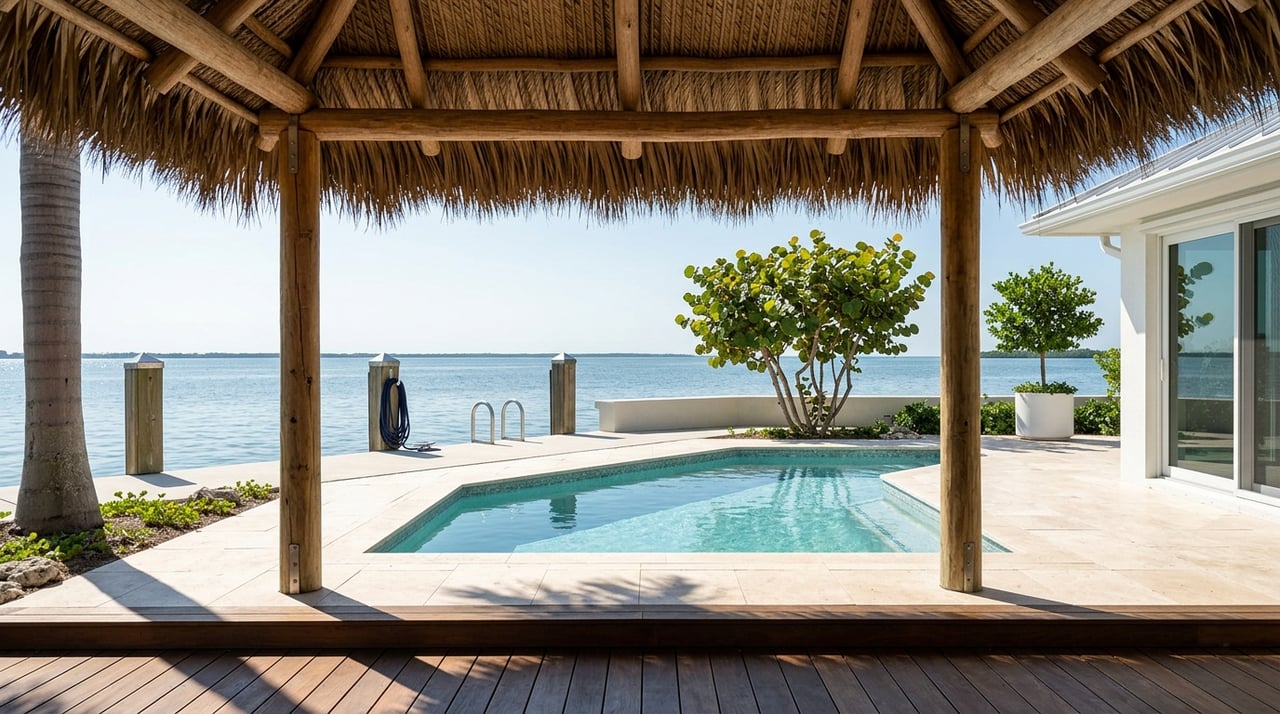
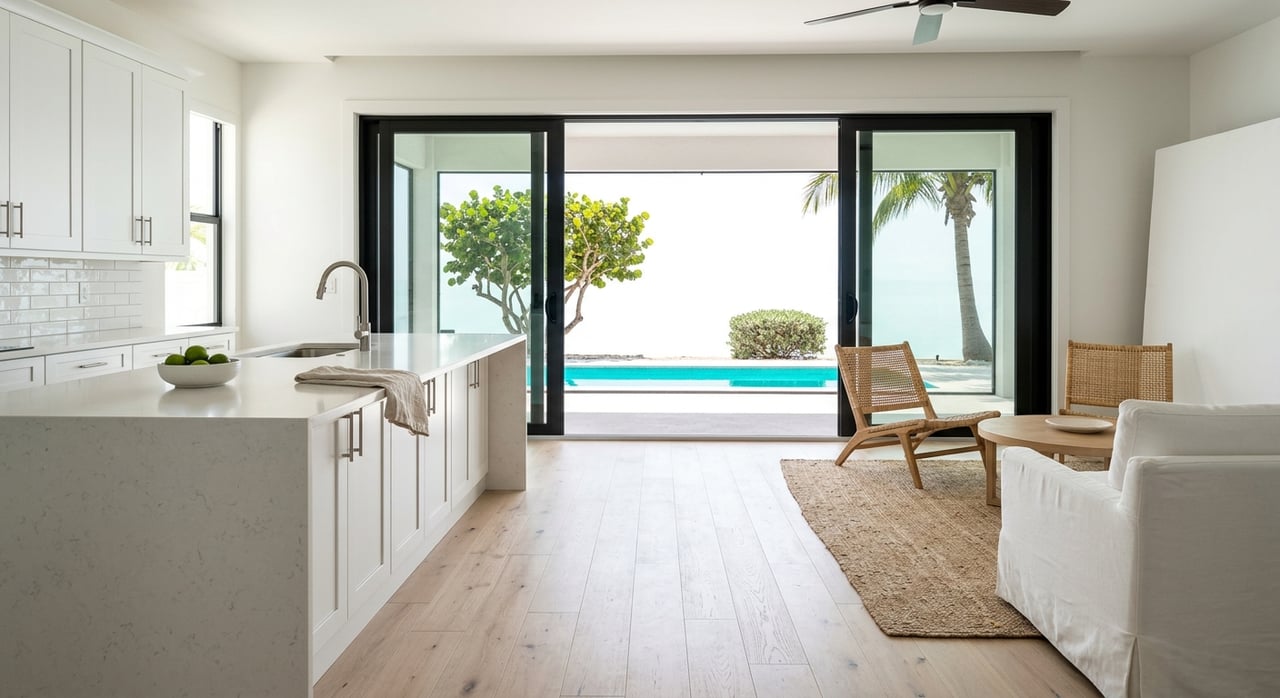
For Marathon homes, that story often starts with the features that feel distinctly Keys-oriented. In many cases, the strongest opening image is not a generic wide interior shot. It may be the water view, the dock, the pool area, the covered outdoor living space, or the best interior-to-exterior connection.
Lead with your strongest feature
The first photo matters more than many sellers realize. NAR notes that a compelling exterior or lifestyle image can outperform a standard room shot, and refreshing the lead image early can help improve visibility while interest is still taking shape.
In Marathon, buyers are often shopping for a lifestyle as much as a structure. If your property offers canal frontage, open-water views, a protected dock, a shaded patio, or an especially inviting pool deck, those features should help lead the presentation.
This does not mean every listing should look the same. It means your marketing should identify what is most valuable and memorable about your specific home, then present that first and clearly.
Stage rooms with a clear purpose
A clean home is important, but a clear home is even better. Buyers respond more confidently when they understand how a space can function.
NAR reports that 83% of buyers’ agents said staging made it easier for buyers to visualize the property as a future home. Living rooms, kitchens, and primary bedrooms remain important, but flexible spaces matter too.
That is especially true now that buyers are thinking more carefully about privacy, remote work, guest space, and multigenerational living. If you have a bonus room, loft, enclosed porch, lower-level area, or extra bedroom, give it a defined role such as:
- Home office
- Guest room
- Fitness space
- Bunk room
- Reading or media room
When a room feels vague, buyers may treat it as wasted square footage. When it feels useful, it becomes part of the value.
Treat outdoor living like real living space
In Marathon, outdoor areas are not just extras. They are part of how buyers picture daily life.
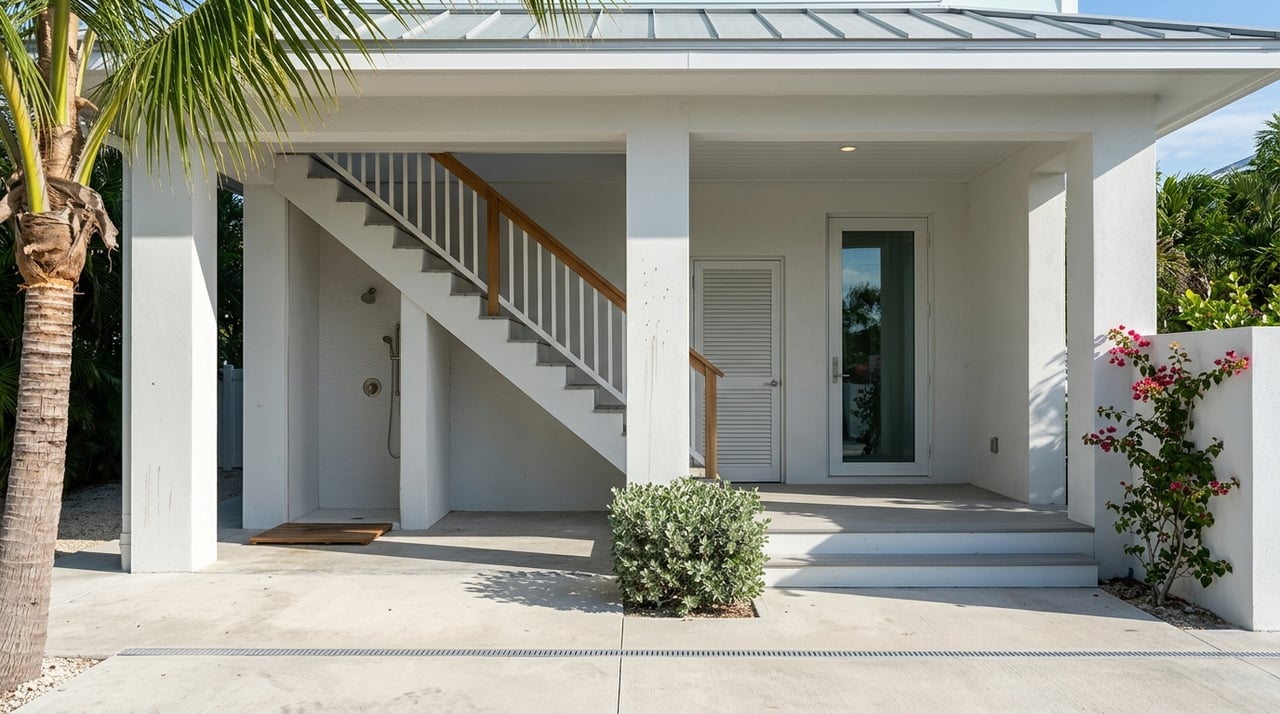
NAR’s outdoor-features research found that 92% of REALTORS recommend improving curb appeal before listing, and simple landscape and maintenance updates are often among the most practical projects for resale. Buyers also increasingly use outdoor spaces for cooking, dining, relaxing, and activity.
That fits Marathon well. Patios, decks, pools, shade structures, lighting, and waterfront seating areas often carry real weight in a buyer’s decision. If those spaces are cluttered, weathered, or poorly lit, the home may feel less complete than it really is.
Before listing, focus on making outdoor spaces feel clean, comfortable, and usable. That can include:
- Pressure washing hard surfaces
- Touching up paint where needed
- Trimming landscaping
- Updating outdoor lighting
- Arranging furniture to show conversation or dining areas
- Adding shade where possible
- Removing visual clutter around docks or equipment
Well-prepared outdoor spaces help buyers imagine year-round use, not just occasional enjoyment.
Be specific about waterfront features
If your home is on the water, general language is not enough. Buyers in Marathon often want clear information about the kind of access they are getting.
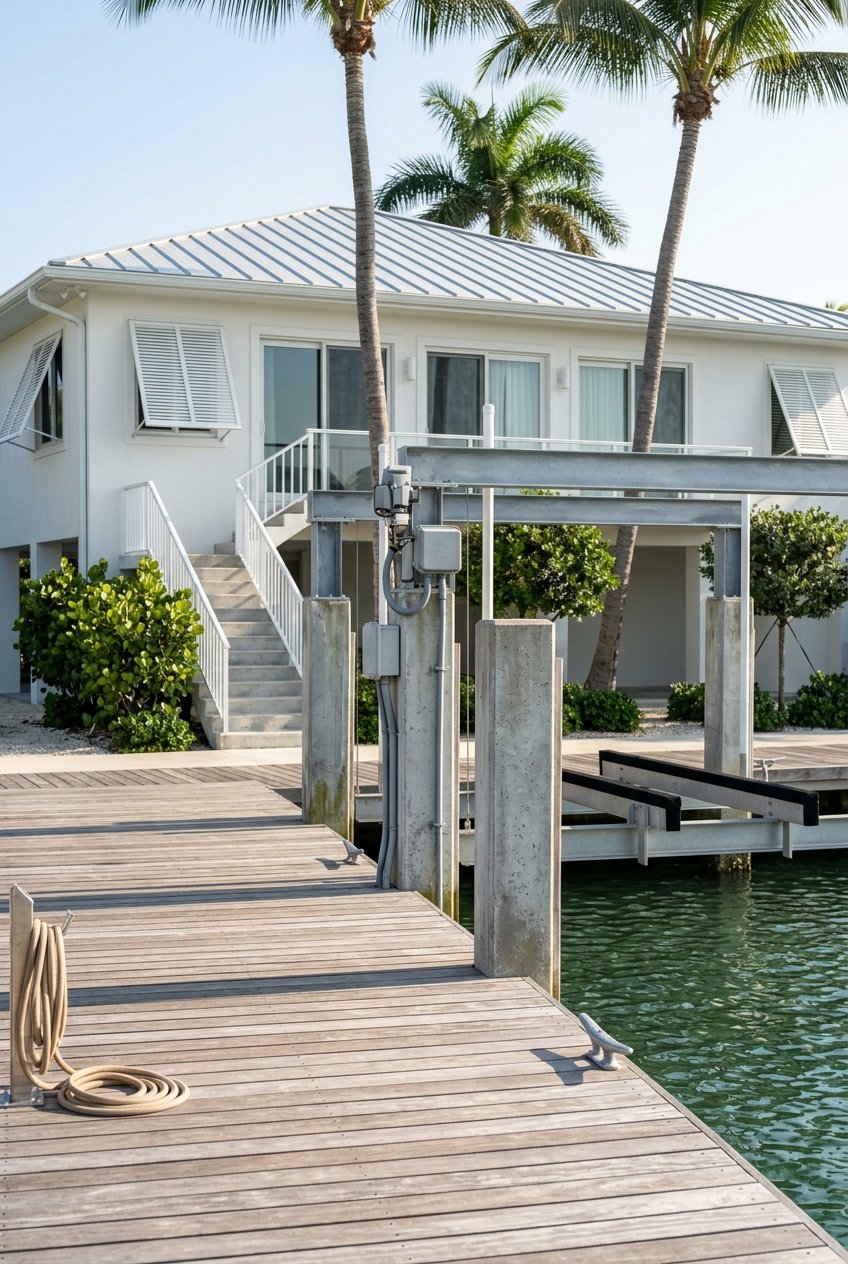
The City of Marathon notes that Boot Key Harbor is known for weather protection and relatively deep water, with a 226-ball mooring field and a west entrance controlling depth of 6 feet MLW. That is a useful reminder that local boating buyers pay attention to practical details, not just broad phrases like “great boating access.”
If your property has waterfront elements, your marketing should clearly address items such as:
- Dockage length
- Lift capacity or configuration
- Channel depth
- Seawall condition
- Water orientation
- Bridge limitations, if relevant
- Whether permit records are available for improvements
The more specific and organized the information, the easier it is for serious buyers to understand the property’s fit.
Make flood and wind documentation visible
In the Florida Keys, buyers do not just evaluate looks and layout. They also think about insurability, storm readiness, and whether the home feels well documented.
The City of Marathon states that all of Marathon is in evacuation zone 3. Monroe County also explains that flood insurance may be required for federally backed loans in Special Flood Hazard Areas. Those are normal parts of coastal ownership, but they should be addressed early and clearly.
Helpful documents can include wind-mitigation inspection information, elevation certificates, and records tied to major upgrades. Citizens notes that qualifying wind-mitigation features may help with insurance savings, including items such as:
- Impact-resistant windows and doors
- Shutters
- Wind-rated roofing
- Roof-to-wall attachments
- Building shapes that better resist high winds
Flood documentation also matters. FloodSmart says elevation certificates help insurers assess flood risk, and higher first-floor elevation can reduce flood-damage risk and may affect insurance costs.
When these materials are gathered in advance, your listing feels more complete and buyers may feel more comfortable moving forward.
Permits can support buyer confidence
One of the easiest ways to create friction in a sale is to leave questions unanswered about additions or exterior improvements. In Marathon, that can include docks, seawalls, enclosures, pools, lifts, roofing, or other structural work.
The City of Marathon provides dock requirements and checklists, and Monroe County states that permits and inspections are required before construction or installation work begins. County code compliance also explains that permits must be obtained before erecting, altering, constructing, or installing buildings, structures, or service systems.
If you have records for completed work, organizing them before launch can save time later. Buyers are often more comfortable when they can review permit history and inspection documentation without a scramble midway through negotiations.
Do not waste the first month
The first few weeks on market carry real weight. Realtor.com reported that the first four weeks are the make-or-break window for many sellers, and more than half of sellers took one month or less to get ready.
That timing matters in Marathon. If your home goes live before the photos are strong, the outdoor spaces are ready, the paperwork is gathered, or the price is aligned, you may spend your best visibility window correcting preventable issues.
A better approach is to prepare first, then launch with purpose. That usually means:
- Finalize your pricing strategy
- Declutter and define each room
- Refresh curb appeal and outdoor areas
- Gather flood, wind, and permit documents
- Photograph the home only when it is fully ready
That kind of preparation supports a cleaner first impression and a more confident showing experience.
Positioning your Marathon home well
Today’s buyers are looking for value, clarity, and a home that feels ready from the start. In Marathon, that often means presenting more than square footage and finishes. It means showing how the home lives, how the water access works, how the outdoor space functions, and how the property is documented.
When pricing is credible, visuals are strong, and the important coastal details are easy to understand, your home is better positioned to compete. If you are thinking about selling in Marathon and want a thoughtful plan built around local market realities, Karan Moeller PA can help you prepare and present your home with care.
FAQs
What matters most when selling a home in Marathon today?
- The biggest factors are credible pricing, strong online presentation, clean and useful outdoor spaces, and clear documentation for waterfront, flood, wind, and permit-related details.
What photos should sellers use first for a Marathon listing?
- In many Marathon listings, the strongest first image is the water connection, best outdoor living area, dock, pool, or a standout interior-to-exterior view rather than a generic room photo.
What rooms should sellers stage before listing a Marathon home?
- The most important rooms usually include the living room, kitchen, and primary bedroom, while bonus rooms should be staged with a clear purpose like an office, guest room, gym, or bunk room.
What documents should sellers gather before listing a Marathon waterfront home?
- Helpful records can include wind-mitigation information, elevation certificates, permit records, inspection history, and available details about dockage, lifts, seawalls, and other exterior improvements.
Why is pricing so important for a Marathon home sale?
- Local market data shows buyers are selective and homes may take time to sell, so overpricing can reduce momentum during the critical first weeks on market.