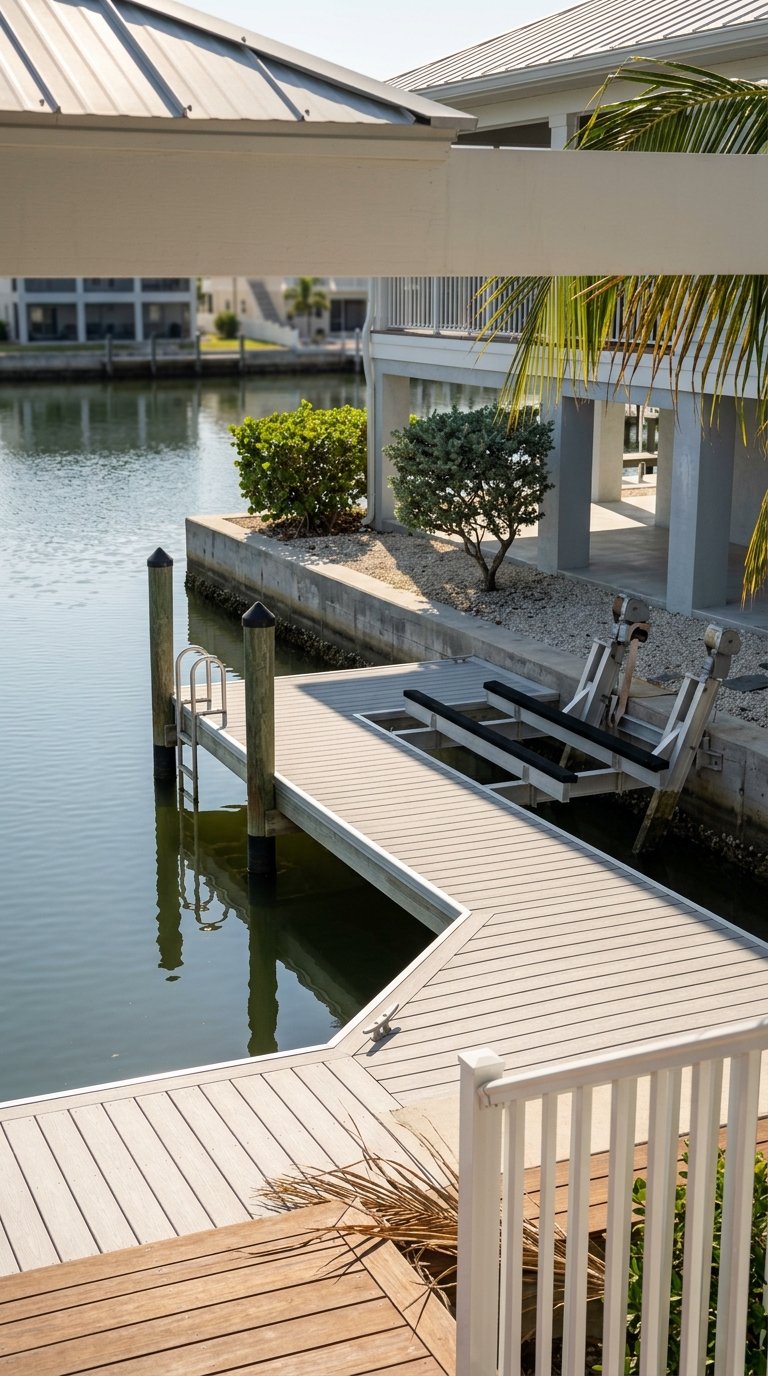
If you are dreaming about waterfront life in Marathon, the first big question is not just budget or square footage. It is how you want to live on the water every day. Canal-front and open-water homes can both be beautiful choices, but they offer very different boating routines, maintenance needs, and ownership realities. Let’s dive in.
Why this choice matters in Marathon
In Marathon, waterfront living is shaped by more than the view from your back porch. Boating access, dock layout, flood exposure, and shoreline conditions all play a major role in how a property works for you over time. That is especially true in a market where water access is often part of the lifestyle and the value.
The city describes Marathon as a coastal floodplain, and many canals and coastal areas are prone to flooding. That means every waterfront buyer should treat flood planning and insurance as part of the purchase decision from day one, not as an afterthought. Standard homeowners insurance usually does not cover flood damage, and flood coverage often needs to be arranged early because NFIP policies commonly have a 30-day waiting period.
Canal-front living in Marathon
Canal-front homes in Marathon often appeal to buyers who want a more sheltered setting for daily boating. Local planning documents describe many canals and boat basins as offering some protection from wind, waves, and currents. That can create a calmer feel at the dock and a more tucked-away waterfront experience.
For many buyers, that shelter is the biggest advantage. If you picture stepping onto your boat for a quick ride, loading gear without chop, or keeping your vessel in a more protected setting, a canal-front property may fit your routine well. In a place where boating conditions can be challenging because of shallow water and sensitive marine habitats, practical access matters.
Canal benefits to consider
A canal-front home may suit you if you value:
- More sheltered dockage
- A calmer feel around the seawall or bulkhead
- Controlled boat access from a dredged canal or basin
- A more private, tucked-in waterfront setting
That said, not every canal property functions the same way. A listing photo may show a dock and a boat, but that does not tell you whether the setup will work for your vessel at mean low water.
Dockage is the real test
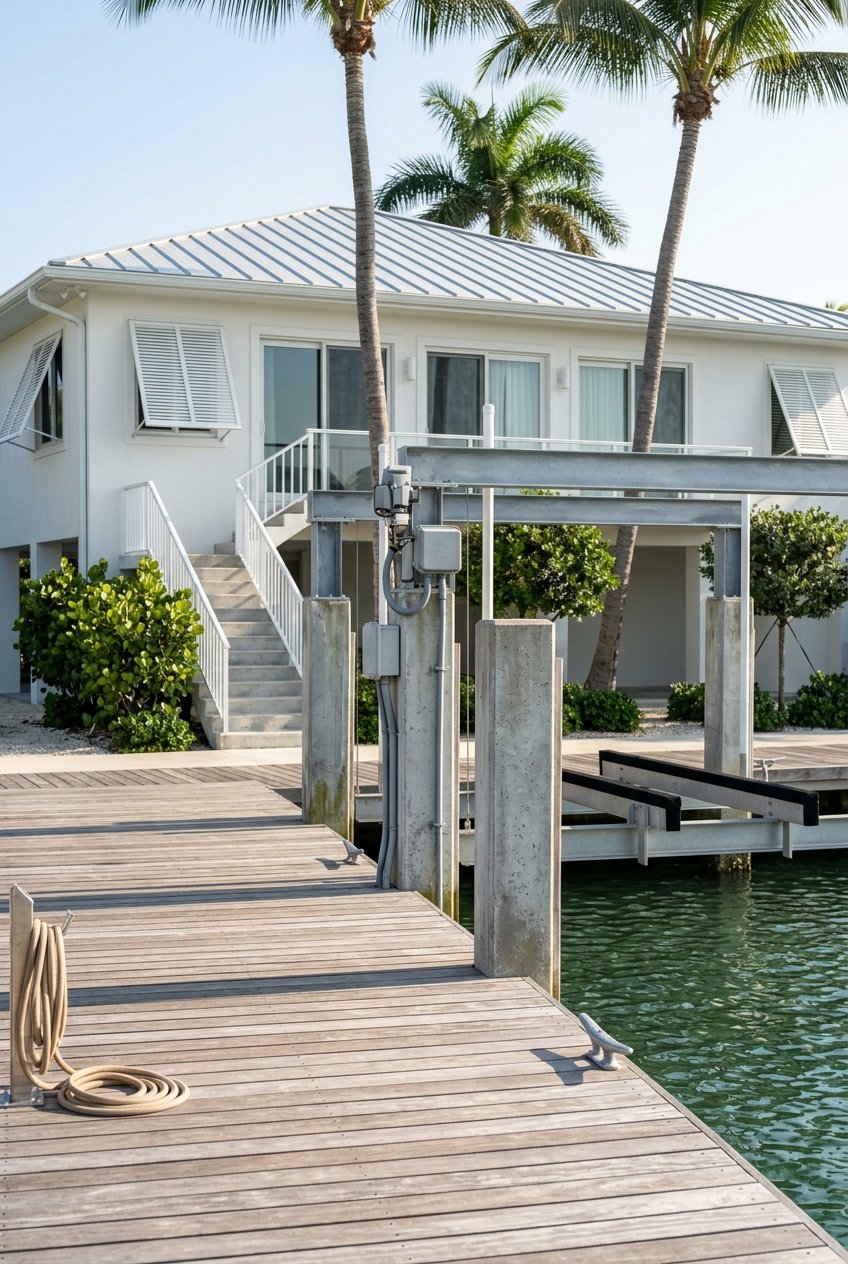
In Marathon, dock standards make the practical questions very clear. The city calls for 4 feet of mean low water at the terminal end of a dock and continuous access to open water through a 20-foot-wide channel or another approved navigation channel. Dock length is also generally limited, which means lot shape and canal width can affect usability.
For you as a buyer, the takeaway is simple: a canal-front home is only as good as its usable dockage. Depth, width, turning room, and layout matter just as much as the house itself. If your boat is part of the reason you are buying, those details should be checked early.
Canal ownership can involve more approvals
Canal work can also bring more regulation than buyers expect. Monroe County notes that projects in, on, or over state-owned submerged lands may require authorization. Canal-related improvements can also trigger review from multiple agencies, and waters next to man-made canals are subject to added protection.
That matters if you are thinking about changing a dock, adding a lift, or improving shoreline features later. A canal-front home may be ideal for your boating routine, but it is wise to confirm what is already approved and what future work may involve.
Open-water living in Marathon
Open-water homes offer a very different waterfront experience. In Marathon, open water is defined as the uninterrupted expanse beyond the minus-6-foot mean low water contour, with continuous access through a natural passage or approved channel that is at least 4 feet deep and 20 feet wide. In simple terms, this is the setting that gives you the broadest views and the strongest sense of living directly on the bay or ocean.
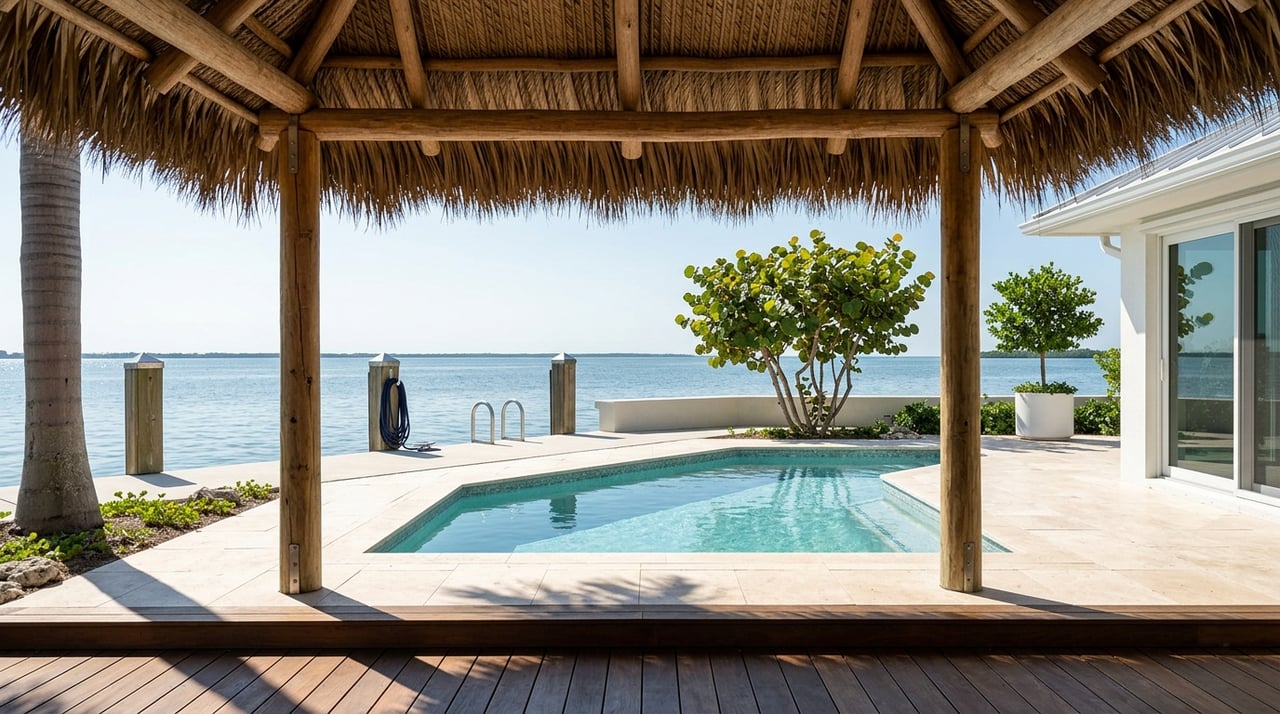
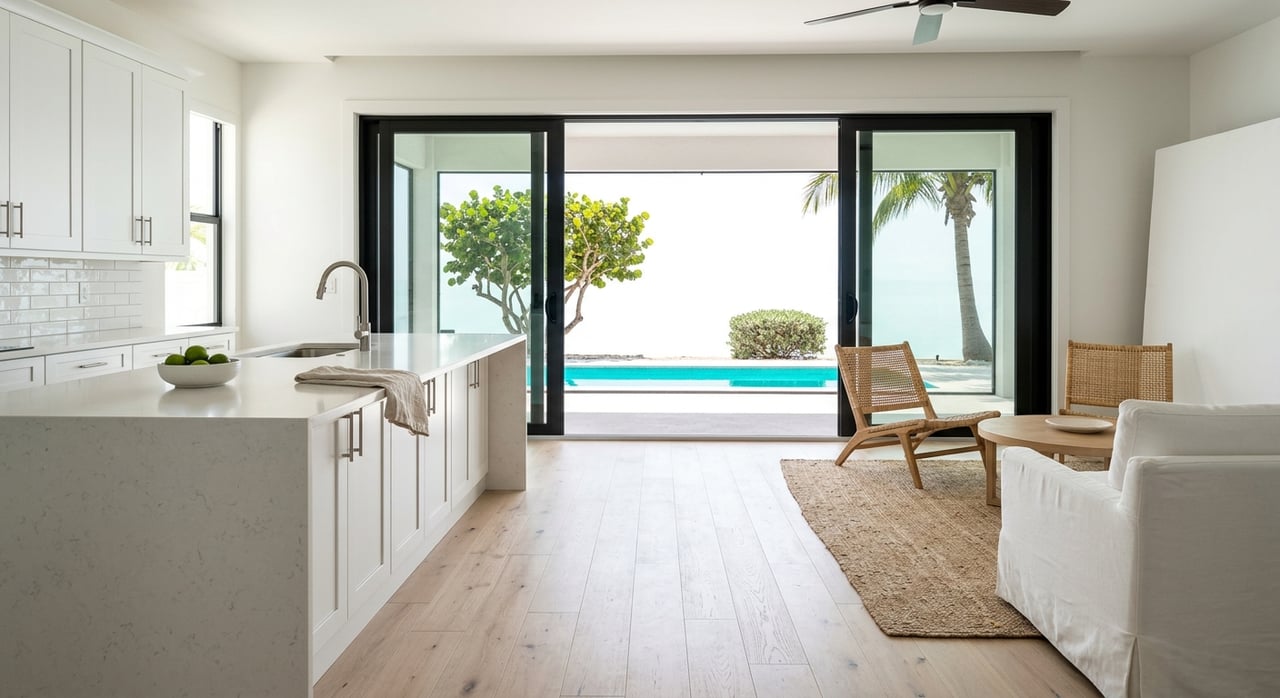
If your priority is horizon lines, sunrise or sunset views, and a more immediate connection to the water, open-water frontage often stands out right away. These homes usually deliver the visual drama many buyers imagine when they think about owning in the Keys.
Open-water advantages to consider
An open-water home may suit you if you value:
- Wide water views
- A direct visual connection to the bay or ocean
- A stronger sense of openness
- A more immediate on-the-water feel
For many buyers, those lifestyle benefits are compelling. The feeling is often less about dock privacy and more about the surrounding water, light, and sky.
Exposure is part of the tradeoff
Open-water living usually comes with more exposure to wind, spray, and wave action. Marathon’s planning materials contrast sheltered canals and basins with natural shoreline areas, and that difference matters in day-to-day ownership. A dock may not feel as comfortable to use in certain conditions, and hardware, lifts, and shoreline features may need more attention over time.
That does not make open-water frontage a worse choice. It simply means the beauty often comes with a different maintenance profile and a different boating rhythm. If you love the expansive setting, you will want to evaluate the dock and shoreline with the same care you give the view.
Your boating route matters as much as frontage
In Marathon, not all waterfront access feels the same once you leave the dock. The city’s marina materials note that deep-water fishing and virtually all diving are concentrated on the Atlantic side of the city. Bay-side residents often use channels such as Moser Channel, Vaca Cut, and Tom’s Harbor Channel to reach open water.
This means two homes can both be called waterfront and still deliver very different boating experiences. An open-water home on one side of Marathon may align better with your destination and boat use than another. The same is true for canal-front homes, where route depth and ease of navigation can shape how often you actually enjoy the boat.
Questions to ask before you buy
Before choosing canal or open water, it helps to ask:
- What type of boat do you own, or plan to own?
- What draft does it need at mean low water?
- How easy is the route from the dock to open water?
- Is the dock layout practical for your vessel?
- How much exposure to wind and wave action are you comfortable with?
- What shoreline or dock maintenance has already been done?
These questions often reveal more than the photos do. In Marathon, usability is a major part of long-term enjoyment.
Flood risk and insurance should shape the decision
Whether you choose a canal-front or open-water home, flood exposure is part of ownership in Marathon. The city states that all of Marathon is in a coastal floodplain, and all of Marathon is in evacuation zone 3. Buyers, sellers, lenders, and insurance agents are encouraged by the city to request flood information before a transaction.
This is one of the most important practical parts of the decision. A beautiful waterfront property may still feel like the right fit, but you should understand the flood profile and likely insurance costs before you commit. That kind of clarity can help you compare two homes more realistically.
Which option tends to fit your lifestyle?
For many Marathon buyers, the canal-versus-open-water decision comes down to what matters most in daily life. Canal-front homes often suit owners who prioritize shelter, dock control, and a calmer boating routine. Open-water homes often suit owners who prioritize expansive views, a stronger visual connection to the water, and quicker line-of-sight to open water.
Neither choice is automatically better. The best fit depends on your boat, your tolerance for maintenance and exposure, and the kind of waterfront experience you want to wake up to every day.
What to compare before making an offer
When you are narrowing down properties in Marathon, focus on the features that reduce friction over time. These are often the details that support both enjoyment and resale.
Pay close attention to:
- Dock depth at mean low water
- Channel width and route to open water
- Dock configuration and boat fit
- Shoreline condition and maintenance history
- Flood information and insurance planning
- Exposure to wind, waves, and spray
A less dramatic property with dependable access may work better for you than a more striking home with limits that affect your boating or ownership costs. In Marathon, practical waterfront details often carry as much weight as curb appeal.
If you want help comparing canal-front and open-water homes in Marathon, Karan Moeller PA offers thoughtful, local guidance to help you evaluate dockage, access, flood considerations, and the day-to-day realities behind the view.
FAQs
What is the main difference between canal-front and open-water living in Marathon?
- Canal-front living usually offers more sheltered dockage and a calmer boating setup, while open-water living usually offers broader views and a more direct connection to the bay or ocean.
What should buyers check about dockage at a Marathon waterfront home?
- You should verify dock depth at mean low water, channel width, boat fit, turning room, and whether the layout works for your vessel rather than relying on listing photos alone.
Why is flood insurance important for Marathon waterfront homes?
- Marathon states that all of the city is in a coastal floodplain, and standard homeowners policies usually do not cover flood damage, so flood planning should happen early in the buying process.
Are canal-front properties in Marathon easier to use for boating?
- Many canal-front properties offer more shelter from wind, currents, and waves, but actual usability depends on depth, width, dock layout, and the route to open water.
Do open-water homes in Marathon have more maintenance exposure?
- Open-water homes generally have more exposure to wind, wave action, and spray, which can affect dock comfort, shoreline wear, and upkeep over time.
Why does the boating route matter for a Marathon waterfront property?
- Your route affects how easily you can reach your boating destinations, and in Marathon that can vary depending on whether the home is on the ocean side, bay side, or near a protected harbor edge.